Understanding the Need for Personalized Employee Benefits
In today’s globalized and diverse work environment, a one-size-fits-all approach to employee benefits is increasingly ineffective. Different employees have unique needs shaped by varying cultural backgrounds, life stages, and personal priorities. Companies that recognize and address these differences through personalized benefits are better positioned to enhance employee satisfaction, retention, and overall wellbeing. Tailoring benefits not only demonstrates respect and understanding for a diverse workforce but also aligns organizational resources with what truly matters to employees.
To achieve this, organizations often utilize advanced platforms to facilitate internal communication and engagement. For example, online information about MELP highlights how comprehensive employee engagement platforms incorporate features like personalised benefits, internal communication, and employee recognition to support these efforts effectively.
Key Components of Personalized Benefits Programs
Successful personalized benefits programs typically integrate several core components that address the varied needs of employees. These components include:
- Flexible Healthcare Options: Allowing employees to choose health plans that suit their individual or family needs, including mental health support.
- Work-Life Balance Initiatives: Offering options such as flexible working hours, remote work, and additional paid leave to accommodate different lifestyles.
- Financial Wellness Programs: Providing tailored retirement plans, savings programs, and financial counseling that reflect diverse economic situations.
- Professional Development Opportunities: Supporting personalized career growth through training, mentorship, and skills development aligned with employee aspirations.
- Recognition and Rewards: Customizing recognition initiatives to suit different motivators, which can range from public acknowledgment to private rewards.
Leveraging Technology to Enhance Personalization
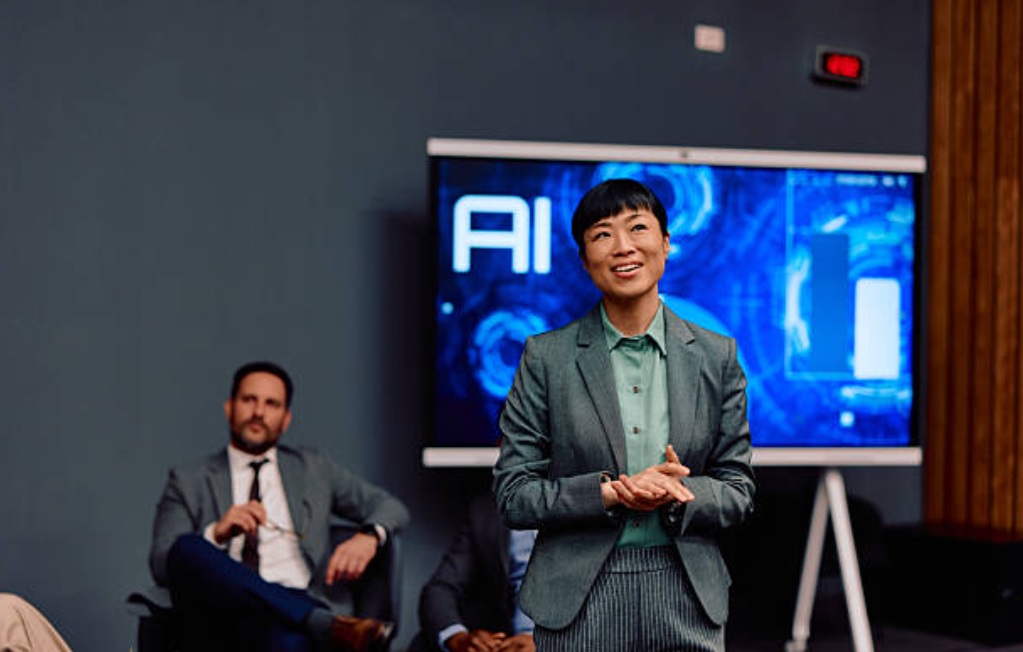
Technology plays a critical role in enabling the personalization of employee benefits. Platforms that incorporate AI automations and AI intranet chats can gather insights about employee preferences and engagement levels in real time, helping HR teams to tailor offerings dynamically. These tools also facilitate clear and consistent internal communication, ensuring employees understand and can easily access the benefits available to them.
In addition, employee engagement platforms often feature systems designed to boost motivation and wellbeing by integrating employee recognition with personalized rewards. This synergy helps create a workplace culture that values individual contributions and fosters a sense of belonging within diverse teams.
Challenges and Considerations in Implementing Personalized Benefits
While the advantages of personalized benefits are clear, organizations must navigate several challenges to implement these programs effectively. These include:
- Data Privacy and Security: Collecting and managing sensitive employee information requires robust safeguards to maintain trust and comply with regulations.
- Equity and Fairness: Ensuring that personalization does not inadvertently create disparities or perceptions of favoritism among employees.
- Cost Management: Balancing the desire for flexibility with budget constraints, especially in larger organizations with diverse needs.
- Communication Complexity: Clearly articulating the available options to employees of different backgrounds and ensuring easy access to benefit information.
Addressing these considerations thoughtfully helps organizations create benefits programs that are both meaningful and sustainable.
Building a Culture that Embraces Diversity through Benefits
Personalized benefits are more than just incentives—they are a reflection of an organization’s commitment to inclusivity and respect for diversity. By actively listening to employee feedback and using data-driven insights, companies can continuously refine their benefits offerings to meet evolving needs. Internal communication channels, coupled with employee recognition, play a vital role in reinforcing this culture by highlighting diverse contributions and celebrating individual achievements.
Embracing the Future of Employee Engagement
As workplaces continue to evolve, so too must the strategies for engaging a diverse workforce. Personalized benefits, supported by advanced technologies and thoughtful communication, represent a forward-thinking approach that enhances wellbeing and motivation. By prioritizing individual needs within a collective framework, organizations can cultivate an environment where all employees feel valued and empowered to contribute their best.